
You have been waiting for this moment for so long. Your puppy is finally home. Those tiny paws, that soft fur, that sweet puppy breath. You want to do everything right. You bought the best food, the cutest bed, and enough toys to fill a small store. But here is something most people do not think about until it is too late.
The first 16 weeks of your puppy’s life are a magical window where their brain is like a sponge, soaking up every experience and deciding whether the world is safe or scary. This is what experts call the critical socialization period, and once it closes, you cannot reopen it.
For families focused on puppy socialization in Ohio, understanding this window is the difference between a dog who happily greets visitors and one who hides under the couch. Between a dog who enjoys vet visits and one who trembles in fear. Let me walk you through exactly what you need to do during these precious weeks.
Before you can socialize your puppy well, you need to understand what is happening inside their brain during the puppy development stages. This is not complicated, but knowing the timeline helps you plan.
From birth to 3 weeks, puppies are basically tiny potatoes. They cannot see or hear much. Their whole world is mom, warmth, and milk. As a breeder, this is when I focus on gentle handling so the puppies learn that human touch is safe.
From 3 to 12 weeks, everything changes. This is the socialization window puppies cannot afford to miss. Their eyes and ears open wide. They start walking, playing, and most importantly, forming opinions about the world. Every new sight, sound, smell, and touch gets filed away as either safe or scary.
From 12 to 16 weeks, the window starts closing. Your puppy can still learn, but they become more cautious about new things. After 16 weeks, that caution often turns into fear. A puppy who has never seen a vacuum cleaner before 16 weeks may grow into a dog who barks and runs from every vacuum for the rest of their life.
This timeline is why early puppy socialization cannot wait until your puppy is fully vaccinated. You have to start immediately. Safely. Smartly. But you have to start.
Let me say this loudly so everyone in the back can hear. The socialization window puppies have is from 3 to 16 weeks old. That is, it. After that, you are not socializing. You are rehabilitating. And rehabilitation is much harder.
During this window, your puppy’s brain is literally wired to accept new things as neutral or positive. They do not automatically fear the sound of a skateboard or the sight of a person wearing a hat. They learn fear based on experiences. No experience means they may default to fear later.
I have seen this play out hundreds of times. A puppy who meets 50 friendly people before 16 weeks grows into a dog who loves everyone. A puppy who only meets the same 3 family members grows into a dog who panics at the doorbell. A puppy who hears thunderstorms at low volume while getting treats learns that thunder is no big deal. A puppy who never hears thunder until a real storm hits at 6 months old may develop a lifelong phobia.
The socialization window puppies have is your one chance to build a foundation of confidence. Do not waste it by keeping your puppy locked inside until their vaccines are done. Yes, vaccines are important. But the risk of a poorly socialized dog is higher than the risk of disease if you are smart about where you go.
This is the question I get asked most often. How do I socialize my puppy before they have all their shots? Early puppy socialization is possible and essential. You just need to be smart about it.
Avoid dog parks, pet stores, and any area where unknown dogs relieve themselves. Parvo can live in soil for years. But that does not mean your puppy should stay home.
Carry your puppy. Literally hold them in your arms or put them in a stroller or a sling. Walk through a busy parking lot so they see cars and people. Sit outside a coffee shop so they hear chatter and clinking cups. Go to a friend’s house who has a fully vaccinated, gentle adult dog for a puppy playdate.
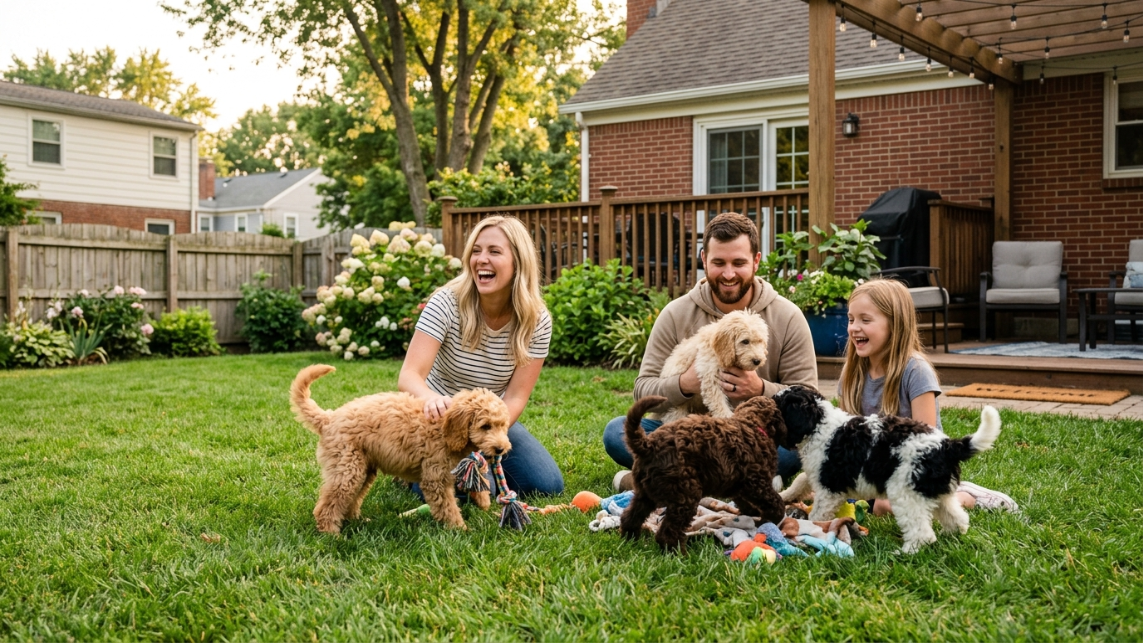
Invite people to your home. Ask friends to come over, take off their shoes, wash their hands, and meet your puppy. Make sure every visit is positive. Give your visitors treats to offer your puppy. You want your puppy to think new people are treat dispensers.
Exposing puppies to sounds is another critical part of early puppy socialization. Play recordings of thunderstorms, fireworks, traffic, babies crying, and construction noises at very low volumes while giving your puppy their dinner. Gradually increase the volume over several days. Your puppy will learn that weird sounds predict good things.
Let me give you a practical plan for how to socialize a puppy from the moment they come home at 8 weeks old through the end of their socialization window at 16 weeks.
Week 8 to 9. Focus on your home and yard. Introduce your puppy to the vacuum cleaner, the blender, the hairdryer, and the doorbell. Have family members wear hats, sunglasses, and coats. Touch your puppy’s paws, ears, and mouth while giving treats. Start handling them like a vet would.
Week 10 to 11. Carry your puppy to quiet outdoor locations. Sit on a bench in a low traffic park. Stand outside a grocery store. Visit a friend’s quiet backyard. Let your puppy see bicycles, strollers, and people walking dogs at a distance. Always keep experiences short and positive.
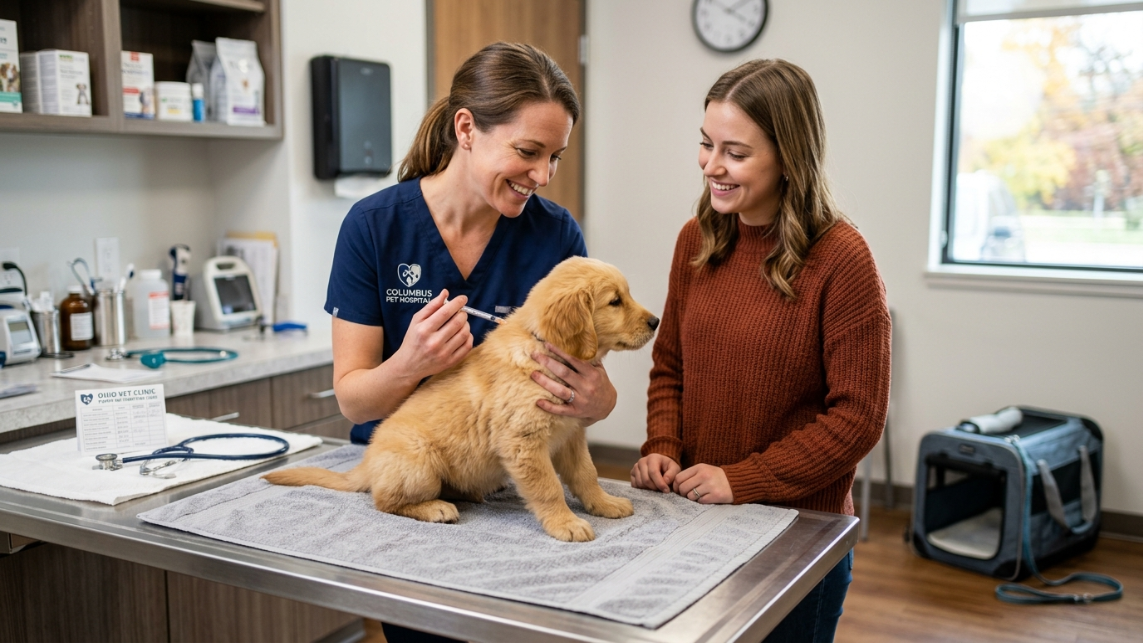
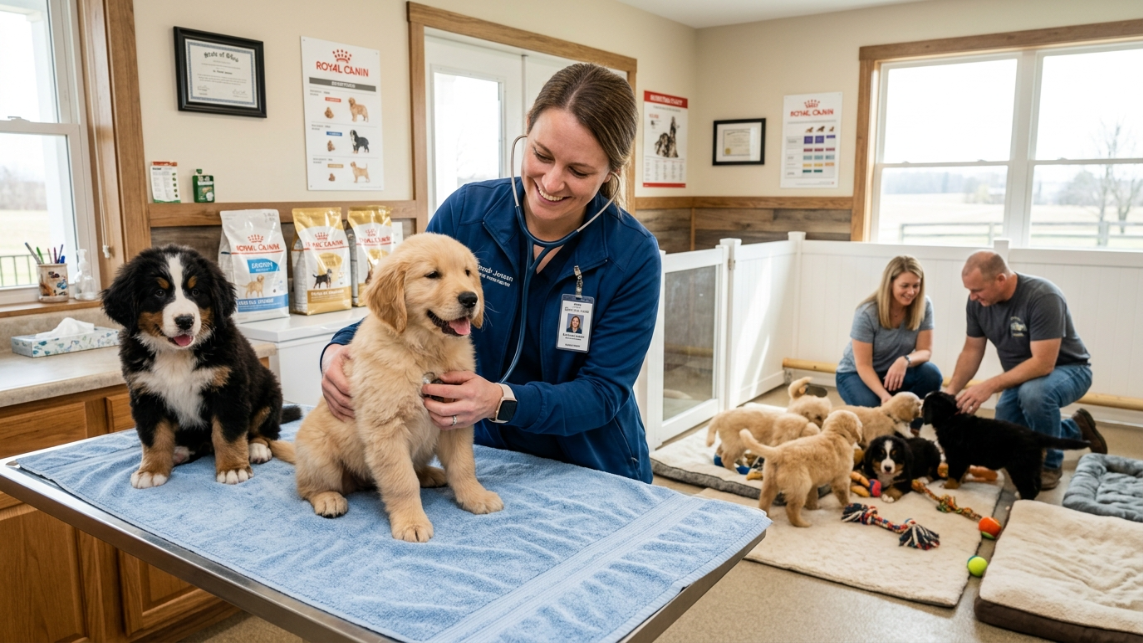
Week 12 to 13. Your puppy likely has their second round of vaccines now. Ask your vet when it is safe to put them on the ground. If you get the green light, start taking your puppy to different surfaces. Grass, gravel, wood chips, sand, tile, carpet, and even a wobble board for balance. The more surfaces they experience, the more confident they become.
Week 14 to 16. Now you can start puppy classes in Ohio, programs that require proof of age appropriate vaccines. These classes are fantastic for how to socialize a puppy in a controlled environment with other puppies. Look for classes that focus on positive reinforcement and allow playtime. Avoid classes that use harsh corrections on puppies.
The quality of positive puppy experiences matters more than the quantity. One scary experience can undo ten good ones. So here is how to keep things positive.
Watch your puppy’s body language. A relaxed puppy has soft eyes, a wagging tail, and loose, wiggly body. A worried puppy tucks their tail, flattens their ears, yawns excessively, or tries to hide. If you see worry signs, back off. You have pushed too far.
Let your puppy approach new things at their own pace. Do not force them to say hi to a person or a dog. Do not drag them toward a scary object. Instead, sit down on the ground and let your puppy explore. Toss treats near the thing that worries them. Let them decide when to get closer.
Keep first exposures short. Thirty seconds of watching a bicycle go by is plenty. Then leave while your puppy is still calm. End on a good note. Do not wait until your puppy is overwhelmed to stop.
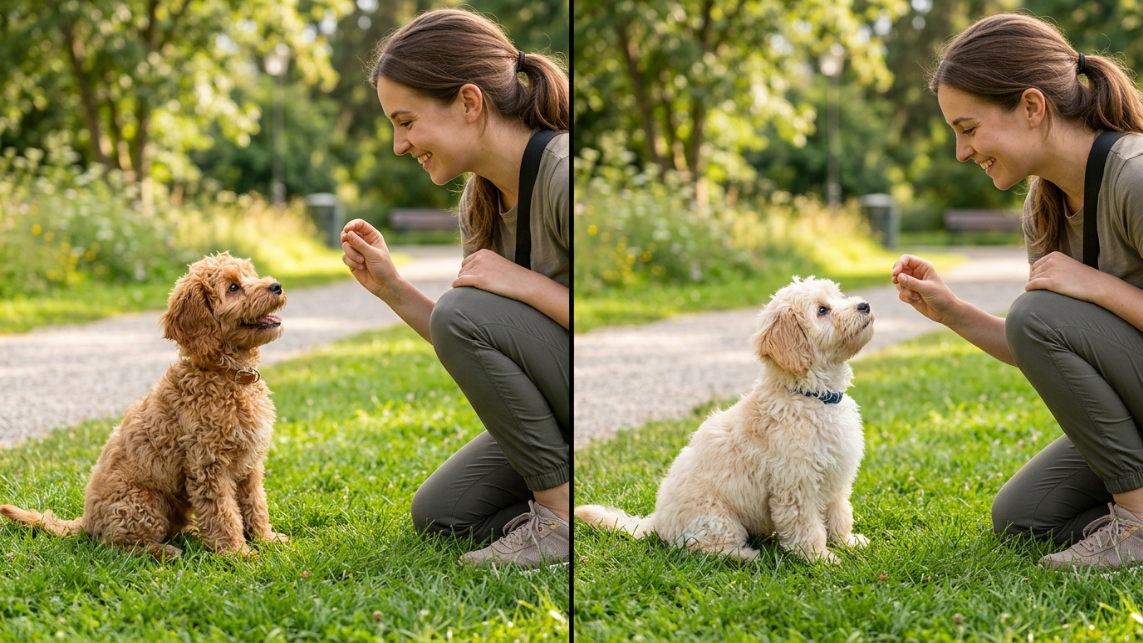
Use high value treats. Not their regular kibble. Real meat, cheese, or freeze dried liver. You want your puppy to think wow, that strange man in a hat gave me chicken. Men in hats are amazing.
Never punish fear. If your puppy is scared of something and you yell at them, you have just taught them that the scary thing also makes you angry. Now they are afraid of the thing and afraid of your reaction. Instead, calmly move away and try again from a farther distance later.
Different breeds have different needs. Let me talk about Cavapoo socialization traits as an example because Cavapoos are one of the popular Poodle mix breeds Ohio families adore.
Cavapoos inherit the Cavalier King Charles Spaniel’s gentle, people pleasing nature. They usually love meeting new people naturally. However, they can also be sensitive. A harsh experience during the critical socialization period can create a timid, fearful Cavapoo more easily than it would for a tougher breed like a Labradoodle.
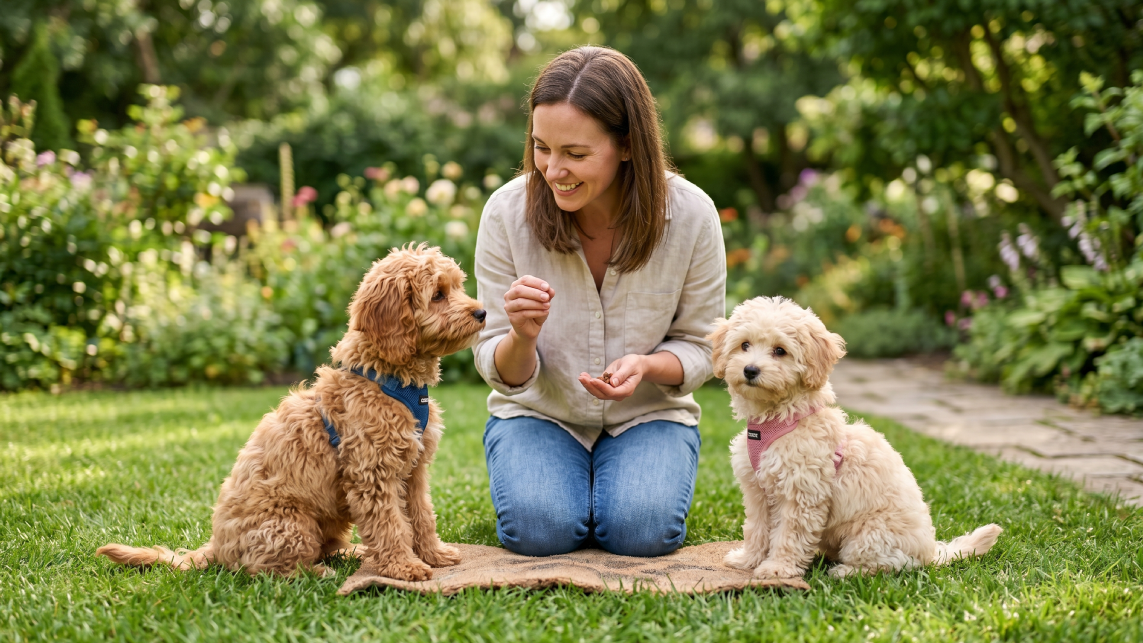
For Cavapoos, focus on gentle, positive exposures. Do not let strangers overwhelm them with grabby hands. Teach visitors to sit down, let the Cavapoo approach, and offer a treat. Cavapoos also benefit greatly from puppy playdates with other small, gentle dogs. A rough play session with a large, bouncy puppy could scare a young Cavapoo for weeks.
The Cavapoo socialization traits also include sensitivity to loud noises. Be extra careful with sound desensitization for this breed. Start at very low volumes and go slower than you think you need to.
No matter what breed you have, understanding their natural tendencies helps you tailor your socialization plan. A confident Bernedoodle might need less careful handling than a sensitive Cavapoo. Know your dog.
I see so many families rush to the dog park the moment their puppy is vaccinated. They want their puppy to make friends. But dog park readiness takes time, and the dog park is actually one of the riskiest places for young puppies.
Dog parks are unpredictable. You have no idea which dogs are friendly, which are bullies, and which owners are paying attention. One bad experience at the dog park during the fear imprint period can create a dog who is reactive to other dogs for life.
The fear imprint period happens around 8 to 11 weeks and again around 6 to 14 months. During these times, a single scary event can leave a permanent mark. A puppy who gets tackled by a rude adult dog at the park may never trust strange dogs again.
Instead of the dog park, arrange puppy playdates with dogs you know are vaccinated, friendly, and appropriate for your puppy’s size and play style. A gentle, older dog who tolerates puppy antics is worth their weight in gold. A crazy, uncontrolled dog of any size can do damage.
If you really want to use dog parks, wait until your puppy is at least 5 to 6 months old. Go during off hours when the park is nearly empty. Leave immediately if you see any dog acting aggressively or even just playing too rough for your puppy’s comfort.
You do not have to do this alone. Puppy classes in Ohio, families can access are some of the best resources for socialization. A good puppy class provides controlled, positive exposure to other puppies, new people, and new environments.
Look for classes that require proof of age appropriate vaccinations. The best classes also require that puppies be kept off the floor until they have had their second round of shots, or they use disinfected, private spaces.
Avoid classes that use choke chains, prong collars, or shock collars on puppies. Those tools are completely inappropriate for a baby dog and can cause fear and aggression. Positive reinforcement based classes are the gold standard.
Ask to observe a class before you sign up. Watch how the instructor handles scared puppies. Watch how they manage playtime. Does everyone look happy and relaxed? Or do puppies look stressed and owners look frustrated?
Good puppy classes in Ohio, resources also offer separate classes for shy puppies or puppies who need extra help. If your puppy is naturally timid, do not force them into a chaotic class. Find a smaller, gentler option. I also recommend online puppy socialization courses if you live in a rural area without easy access to classes. Videos can teach you the techniques, and you can practice at home or with friends.
You are already doing so much during the first weeks with new puppy. Potty training, crate training, bonding, surviving on broken sleep. Adding socialization on top can feel overwhelming. But the good news is that socialization fits naturally into what you are already doing.
Every time you take your puppy outside to potty, that is a socialization opportunity. The sound of a plane overhead. A neighbor walking by. A leaf blowing across the yard. Talk to your puppy in a happy voice. Oh look, a big truck. That is a truck. Good puppy.
Every time someone comes to your door, that is a socialization opportunity. Have them crouch down and offer a treat. Every time you turn on the vacuum, that is a socialization opportunity. Give your puppy a stuffed Kong in their crate while you clean.
The first weeks with new puppy are exhausting, I know. But you do not need hour long training sessions. Five minutes here, ten minutes there. A few new experiences each day. That is all it takes.
Remember that rest matters too. Puppies need 18 to 20 hours of sleep per day. An overtired puppy cannot learn. They just get cranky and scared. So balance new experiences with plenty of nap time in their crate.
When you do the work of puppy socialization in Ohio, families who commit to the process see the results for the next 10 to 15 years. A confident dog development journey that started with those first 16 weeks pays dividends forever.
What does a well socialized adult dog look like? They walk calmly down a busy street without cowering. They greet visitors at your door with a wagging tail, not barking and hiding. They recover quickly from loud noises. They enjoy car rides and vet visits. They can be trusted around children, strangers, and other dogs.
A poorly socialized dog, on the other hand, lives in a state of chronic stress. Everything is scary. Walks are exhausting because every sound and sight triggers fear. Visitors cause panic. The vet is a nightmare. These dogs often develop reactivity, aggression, or severe anxiety. Many end up surrendered to shelters because their families cannot manage them.
I am not saying this to scare you. I am saying this because the power is in your hands right now. Your puppy is watching you, waiting to learn whether the world is safe. You get to be their guide.
I have been raising puppies in my home for 7 years. I have watched hundreds of puppies leave my care and grow into adult dogs. The ones whose families took socialization seriously are the ones living their best lives. They go on vacations. They visit nursing homes. They play with neighborhood kids. They are part of their families in every way.
The puppies whose families kept them isolated until vaccines were done, then tried to catch up later, those families struggle. Their dogs are anxious. They cannot go to crowded places. Their worlds are small.
You do not want a small world for your dog. You want a big, beautiful, joyful world where your dog can go anywhere and be happy. That world starts now. Start today. Carry your puppy around your neighborhood. Invite a friend over. Play a thunderstorm recording at low volume while you cuddle. Every little thing matters.
Explore our training programs to learn more about how we can support you through the socialization process and beyond. Your confident, happy, well adjusted dog is waiting to meet the world. Let us help you show them how wonderful it can be.