
Your child has been asking for a dog for what feels like forever. They have drawn pictures of fluffy puppies. They have saved their allowance for dog toys. They have promised to feed it and walk it every single day. You want to say yes, but you also have a knot in your stomach.
What if the dog bites? What if they knock over the toddler? What if you bring home a breed that simply does not like children? Finding the best dog breeds for families in Ohio parents can trust is not just about picking the cutest face on the internet. It is about matching energy levels, temperaments, and patience levels with your unique household.
I have raised multiple breeds in my own home with my children running, shouting, and occasionally tripping over puppy paws. Let me walk you through the breeds that truly shine with kids and the ones you might want to avoid.
Before we talk about specific breeds, let us talk about the qualities that define family friendly dog breeds. Not every dog, even within a good breed, is good with kids. But certain traits make a breed more likely to succeed in a busy, noisy, loving home.
Patience is the most important trait. A patient dog breed will tolerate a child pulling their tail, hugging them too tight, or accidentally stepping on their paw without reacting aggressively. This does not mean the dog enjoys these things. It means their first response is not a growl or a snap.
Energy level matching is also critical. A family of couch potatoes should not bring home a high energy working breed. That dog will become frustrated and destructive. An active family who loves hiking and running should not bring home a low energy breed who just wants to nap. The dog will feel left out and anxious.
Trainability matters too. Best dogs for children are usually breeds that want to please their humans. They learn house rules quickly and respond well to positive reinforcement training. A stubborn breed might be cute, but when a toddler is climbing on them, you need a dog who listens the first time.
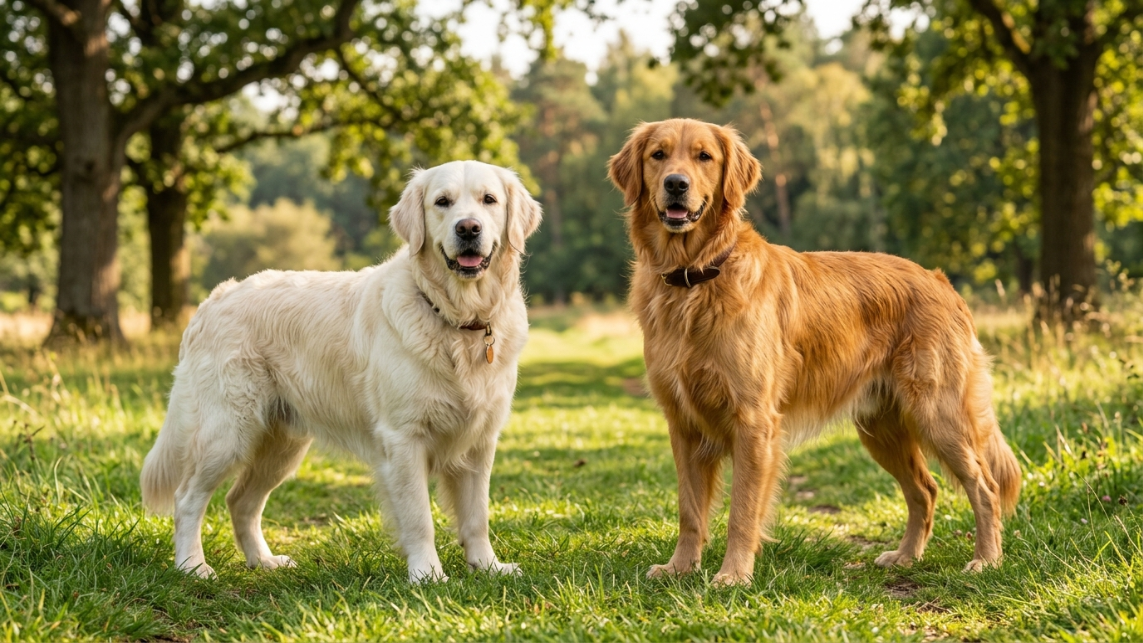
Let me start with the breed that almost always tops the list. The Golden Retriever family dog is famous for good reason. Goldens are patient, gentle, and endlessly forgiving of childhood chaos.
A Golden Retriever family dog has a soft mouth. They were bred to retrieve birds without damaging them. That same soft mouth means when your toddler shoves their hand in the dog’s mouth to pull out a toy, the Golden is unlikely to bite down. They simply open wider and look confused.
Goldens are also incredibly tolerant of noise, grabbing, and general kid mayhem. My Goldens have been dressed in baby clothes, used as pillows, and accidentally sat on. Their response is usually a heavy sigh and a tail wag. They adore children with a gentle, protective love that melts my heart.
The Golden Retriever family dog does need exercise. A bored Golden will chew baseboards and dig up flower beds. Plan on at least an hour of active exercise daily. That can be a family walk, a game of fetch in the yard, or a swim at an Ohio lake. Goldens love water.
Grooming is moderate. They shed, especially during spring and fall, but regular brushing keeps it manageable. Their coats are water resistant and need occasional professional grooming.
The Labrador Retriever is the most popular dog breed in America for a reason. Labrador kid friendly qualities are legendary. Labs are bouncy, goofy, and full of joy. They view every day as the best day ever. A Labrador kid friendly household is a busy one. Labs need lots of exercise. A tired Lab is a calm Lab. An under exercised Lab is a tornado with fur.
If your family enjoys hiking, swimming, and playing fetch for hours, a Lab will match your energy perfectly. Labs have a thick double coat that sheds constantly. Invest in a good vacuum and a de shedding brush. The shedding is worth it for a dog who will let your kids climb all over them without complaint.
Labrador kid friendly traits include incredible food motivation. This makes training easy. A Lab will do anything for a treat. But it also means you need to keep counters clean and trash cans secured. Labs are professional food thieves.
Health wise, Labs can be prone to hip dysplasia, elbow dysplasia, and obesity. Keep them lean. An overweight Lab has joint problems and a shortened lifespan. Your kids will love helping measure their food portions and tracking their exercise.
If your family is more snuggles than sprints, let me introduce you to the Cavalier King Charles family dog. These little dogs have huge hearts. They were literally bred to sit on the laps of royalty and keep them warm.
A Cavalier King Charles family dog is the opposite of a Labrador in energy. They are happy with a short walk and a long cuddle session. They fit perfectly in apartments, small homes, or any space where quiet companionship is valued.
Cavaliers are gentle beyond belief. I have never met a Cavalier who growled at a child. They seem to understand that small humans are fragile and need extra patience. My Cavaliers let toddlers poke their eyes and pull their ears without so much as a grumble.
The Cavalier King Charles family dog is also highly portable. You can take them anywhere. They fit in a carrier for plane trips. They are welcome in most pet friendly hotels. They do not take up much room in the car.
Health is the one downside. Cavaliers are prone to a condition called syringomyelia, where the brain is too big for the skull, and mitral valve disease, a serious heart condition. A responsible breeder screens for these issues. Do not buy a Cavalier from a breeder who cannot show you clearances.
The Beagle with children is a match made in heaven for families who love the outdoors. Beagles are merry, curious, and endlessly entertaining. They follow their noses and their hearts. A Beagle with children will play for hours. They have seemingly endless energy for fetch, chase, and exploring the backyard. They are sturdy little dogs who can handle rough play without getting hurt.
Beagles are also vocal. They bay, which is a loud, melodious howl. Some families love the sound. Others find it disruptive. If you have close neighbors, consider whether a baying dog will cause problems.
The Beagle with children needs a secure fence. Beagles are escape artists. They will dig under fences, climb over them, or squeeze through tiny gaps. Once they catch an interesting smell, they are gone. Never let a Beagle off leash in an unfenced area.
Beagles are stubborn. They were bred to work independently, following a scent trail without human direction. That means they are less eager to please than a Golden or a Lab. Training requires patience and high value treats. But the payoff is a happy, loving, hilarious family dog.
Health wise, Beagles are generally robust. They can be prone to obesity, so watch their food intake. They also have floppy ears that trap moisture, leading to ear infections. Weekly ear cleaning prevents most problems.
When you have toddlers crawling and wobbling around, you need safe dog’s toddlers can be around without constant vigilance. Not every breed, even friendly ones, can handle the unpredictability of a toddler.
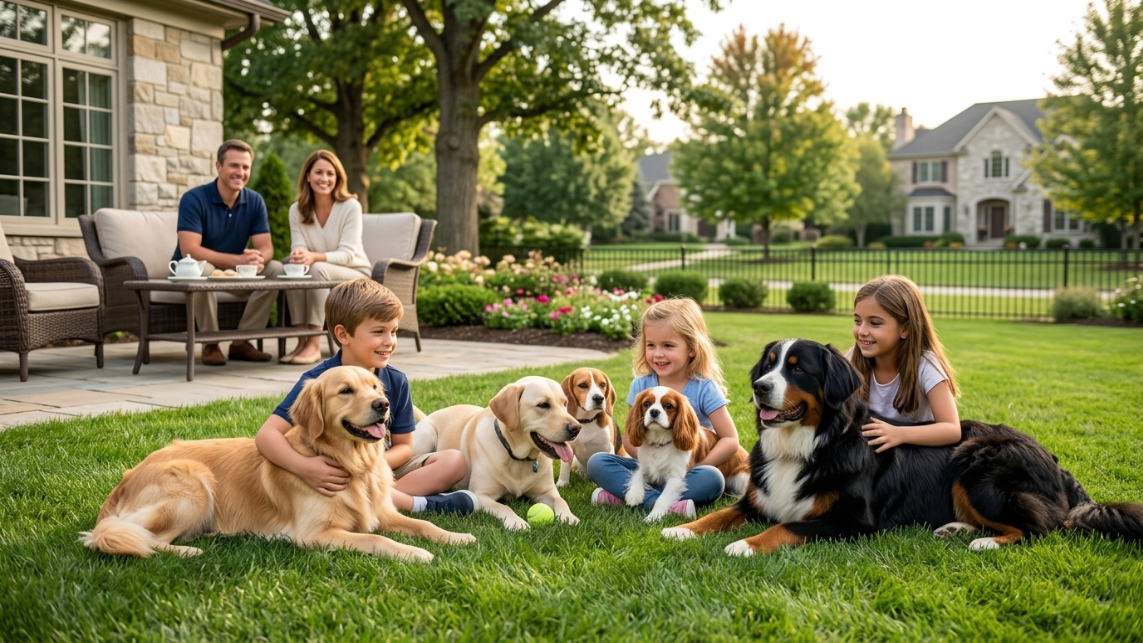
The breeds I have mentioned, Golden Retrievers, Labradors, Cavaliers, and Beagles, are all generally safe dogs toddlers families trust. But let me add a few more. The Bernese Mountain Dog is a gentle giant dog breed that adores children. They are calm, patient, and incredibly tolerant. A Berner will let a toddler climb on them, pull their fur, and use them as a step stool.
They do not have an aggressive bone in their body. The downside is a short lifespan, usually 6 to 8 years, and a mountain of shedding The Newfoundland is another gentle giant dog breed. They are famously called nanny dogs because of their gentle nature with children. Newfoundlands are enormous, up to 150 pounds, so they need space and a family committed to training. But their patience with toddlers is unmatched.
The Boxer is a surprising addition. Boxers are high energy goofballs who adore children. They are protective without being aggressive. They will tolerate a surprising amount of toddler handling. But they need significant exercise and training to channel that energy appropriately.
Not every family can handle a 70 pound Labrador. For families in apartments or smaller homes, small dogs for first time owners can be wonderful with children.
The Cavalier King Charles Spaniel tops this list. As I said earlier, they are gentle, portable, and low energy. They are also quiet and easy to train. The Havanese is a lesser known gem. Havanese are cheerful, sturdy little dogs who adore children. They are highly trainable and do not shed much.
They need regular grooming but otherwise are low maintenance. A Havanese will follow your kids everywhere with a happy bounce. The Bichon Frise is another small dog for first time owners. Bichons are fluffy, white, and entirely non-shedding, making them a good choice for families with mild allergies. They are playful without being hyperactive. They are gentle without being fragile.
The Coton de Tulear is a rare breed but worth seeking out. These dogs are affectionate, quiet, and incredibly tolerant of children. They do not shed and have a cottony soft coat that kids love to pet. For small dogs for first time owners, avoid breeds like Dachshunds, who can be snappy, or Jack Russell Terriers, who are too high energy for most families.
A busy house with children is never quiet. There is shouting, running, door slamming, and toys being thrown. Some dogs cannot handle that level of chaos. But patient dog breeds thrive on it.
The English Bulldog is a surprisingly patient breed. They look grumpy but have hearts of gold. Bulldogs are low energy, love to nap, and tolerate a surprising amount of kid chaos. They are sturdy and not easily injured. The downsides are health problems and a short lifespan.
The Pug is another patient dog breed. Pugs were bred to be companions to Chinese emperors. They take their job as family court jester seriously. Pugs are sturdy, low energy, and endlessly tolerant. They snore, fart, and make your whole family laugh.
The Great Dane is a gentle giant. Despite their terrifying size, Great Danes are famously gentle with children. They are low energy for a giant breed, happy with moderate exercise. They will lean against you, sit in your lap if you let them, and protect your children with calm dignity.
The patient dog breed that surprises people is the Greyhound. Retired racing Greyhounds are calm, quiet, and gentle. They sleep most of the day and are not easily startled. They are wonderful with children when properly introduced. They need a fenced yard because they can run very fast, but they are not high energy.
The Golden Retriever vs Labrador for families comparison often centers on energy level. Goldens are slightly calmer. Labs are slightly more intense. If you have very young children who need a dog who will lie quietly while the baby naps, a Golden might be better. If you have school age kids who want a dog who will run with them for hours, a Lab might be better.
The Golden Retriever vs Labrador for families also involves shedding. Goldens shed in clumps. Labs shed in a constant mist of short hairs. Both shed a lot. Neither is hypoallergenic. Trainability is similar. Both are highly intelligent and food motivated. Both excel in positive reinforcement training. Both need early socialization and consistent rules.
Health wise, Goldens have higher rates of cancer. Labs have higher rates of obesity and joint problems. Choose a breeder who health tests for the conditions common in each breed. The Golden Retriever vs Labrador for family’s decision is personal. Spend time with both breeds. See how they interact with your children. One will just feel right.
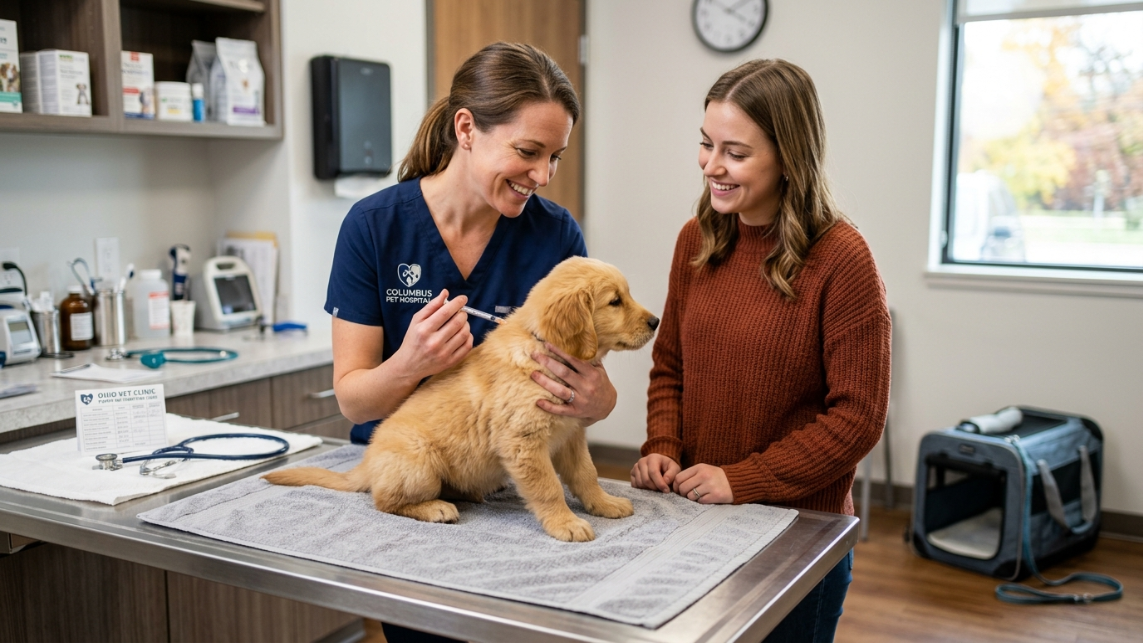
If you decide on a Golden, start your search for Golden Retriever puppies in Ohio from ethical breeders. Avoid puppy mills and backyard breeders. A healthy, well-tempered Golden is worth the wait and the investment.
Every dog can bite under extreme circumstances. But low aggression breeds have been selectively bred for generations to have soft, gentle temperaments. These breeds rarely show aggression toward humans, even children.
The low aggression breeds list starts with the Golden Retriever and Labrador Retriever. These breeds were developed to work alongside humans, not against them. Aggression was actively bred out of them. The Cavalier King Charles Spaniel is another low aggression breed. I have never met an aggressive Cavalier. They seem incapable of genuine anger. At worst, they will retreat and hide if overwhelmed.
The Irish Setter is a low aggression breed that families often overlook. Irish Setters are energetic and need exercise, but they are wonderfully friendly with everyone. They are not guard dogs. They are not suspicious. They are just happy, beautiful, affectionate animals.
The Whippet is a low aggression breed that looks like a small Greyhound. Whippets are quiet, clean, and gentle. They love to sprint and then sleep for hours. They are not aggressive toward anyone, including strangers and small children.
For low aggression breeds, avoid dogs bred for protection or fighting. That includes breeds like German Shepherds, Rottweilers, Dobermans, and Pit Bull type dogs. Even well-bred individuals of these breeds have protective instincts that can be dangerous around children.
You have read about the best dog breeds for families in Ohio parents love. You know about family friendly dog breeds and gentle dog breeds Ohio families trust. You understand the difference between a Golden and a Lab. You know which patient dog breeds will tolerate toddler chaos.
Now comes the beautiful part. Choosing your actual dog.
Remember that every dog is an individual. Breed guidelines are just that, guidelines. A well-bred, well socialized, well trained dog of almost any breed can be wonderful with children. Conversely, a poorly bred, unsocialized dog of a supposedly kid friendly breed can be a disaster.
Meet the parents if you can. Spend time with the puppies. Watch how they interact with each other and with the breeder’s children. A puppy who is confident, curious, and responsive to humans is more likely to be a good family dog than a shy, fearful, or overly aggressive littermate.
We have been raising puppies in our home with our children for 7 years. Every puppy that leaves our home has been held, kissed, played with, and gently corrected by little hands. They are ready to love your children as much as they love ours.
Find the right breed for your family by visiting us, asking questions, and letting your heart guide you. The right dog is out there. And when you find each other, your family will feel complete in a way you never imagined.